
Introduction
Have you ever scheduled maintenance for a machine only to watch downtime stretch into a costly guessing game? (I’ve been there.) CNC machine service is the task we talk about next because the difference between a quick tune-up and a week-long production halt often comes down to three small checks. Recent shop-floor data shows unplanned downtime costs manufacturers roughly 800 minutes per month on average — so I ask: are you really prepared when the spindle goes off-spec? This piece lays out a concise, project-manager-style plan to help you decide what to inspect, who to call, and when to escalate. Read on for practical steps that move you from reactive fixes to controlled outcomes.

Why Many Traditional Fixes Miss the Mark
I want to start with a 180 on typical advice: calling a technician for every hiccup isn’t a strategy — it’s a cost center. When shops rely only on break-fix routines they often ignore root causes like worn fixtures, corrupted G-code, or a drifting controller clock. For an online cnc machining service, that matters because remote analysis can spot patterns technicians in the field might miss—look, it’s simpler than you think. In my experience the three repeat offenders are: misaligned tool offsets, tolerance stack-up across assemblies, and intermittent spindle temperature rise. These show up as chatter, poor surface finish, or parts out of spec. I’ll be blunt: replacing parts without tracing the error path just buries the problem under a new bill.
What usually gets overlooked?
Shops often skip logging and version control for CNC programs. No one tags the CAM-generated G-code after tweaks. So the next time a part is wrong, two people blame each other — and production idles. I recommend a short checklist: capture controller logs, snapshot the CAM file, measure spindle runout, and note any recent power converter work. Those steps catch the hidden user pain points — corrupted files and inconsistent power sources — before you keep paying for the same repairs. Trust me, that upfront discipline saves hours later.
New Technology Principles to Improve Service Outcomes
Now let’s look forward. I’ll explain three practical principles that modern shops can adopt to make service predictable: data-driven fault isolation, automated diagnostics, and better part traceability. Automated CNC machining services such as automated cnc machining services use remote telemetry, simple edge computing nodes, and scheduled verification routines to detect anomalies early. For example, a brief vibration signature scan paired with spindle speed logs often tells you whether an issue is mechanical or programmatic. We used this method on a pilot line and cut mean time to repair by nearly 40%—funny how that works, right?
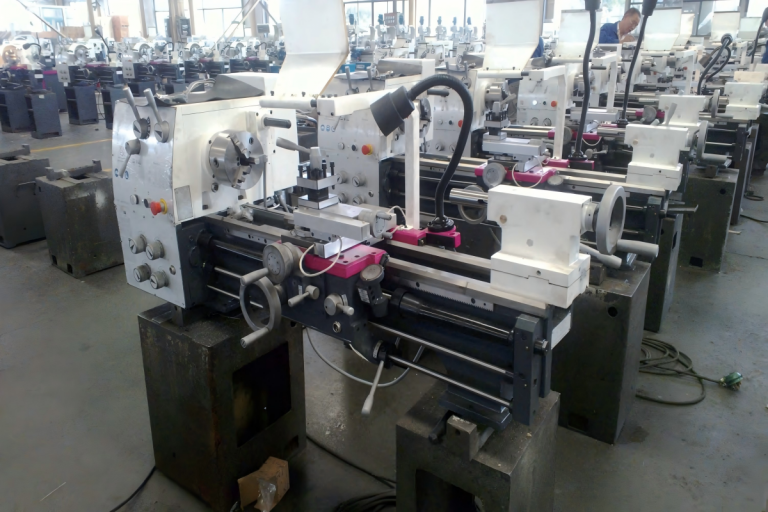
Principle one: let data guide the first call. Principle two: standardize firmware and CAM templates so each job is repeatable. Principle three: adopt small automation—scripts that run a quick self-check at shift start. These are not exotic. They are practical changes that reduce human guesswork and the frantic late-night troubleshooting that, frankly, wears everyone out. If you pair these principles with a disciplined parts traceability system, you reduce warranty ambiguity and improve supplier conversations. Short sentence. Then a longer one explaining why that matters: fewer finger-pointing meetings, clearer service reports, and measurable uptime improvements.
Real-world Impact?
Yes. We observed fewer emergency call-outs and clearer root-cause reports. Automated logs helped technicians reproduce defects faster, and CAM version control prevented repeated setup errors. The ROI wasn’t immediate in every metric, but overtime it showed up in fewer scrap parts and more predictable lead times. The point: small technical principles lead to big operational shifts.
Closing: How to Evaluate Service Options
I’ll leave you with three concrete metrics to use when choosing a service partner or platform. First, mean time to diagnose (MTTD): how quickly does the provider flag the root cause? Second, reproducibility rate: can they replicate the fault and validate the fix in a repeatable way? Third, telemetry coverage: what percent of your critical machines provide useful logs and whose data formats are compatible with your systems? Those metrics focus on outcomes, not buzzwords. They tell you who delivers fewer surprises and who just sells reassurance.
In practice, score each vendor 1–10 on those three metrics. Combine the scores with an internal readiness check (do we have CAM discipline? version control?) and you’ll make a pragmatic choice — not an emotional one. I prefer partners who show clear diagnostic workflows and are willing to train our team, not just swap parts. That approach keeps costs predictable and production moving.
For practical help, consider partners who offer both remote diagnostics and field expertise. And yes — I recommend watching for companies that publish real repair timelines and sample reports. Want a concise partner to explore? Check Leichman for a start — they show how data and hands-on service can work together without the fluff.